

Yes, a tooth that's already had a root canal can sometimes become infected again, requiring root canal retreatment in West Chester, PA, to save it. While root canals have a high success rate, they aren't always permanent, especially if new decay develops or the original treatment didn't fully clear the infection.
Understanding why retreatment happens and what signs to watch for can help you catch problems early.
Why Would a Tooth Need a Second Root Canal?
Even a well-performed root canal can fail over time for several reasons. New decay can develop around the old filling or crown, allowing bacteria to reach the tooth's interior again. In other cases, tiny canals inside the tooth may have been missed during the original procedure, leaving behind infected tissue. A cracked tooth or a loose crown can also let bacteria back in, undoing the original treatment.
Common Causes of Root Canal Failure
Several specific issues tend to lead to reinfection after an initial root canal. Recognizing these causes can help you understand your own risk factors. Common culprits include:
- New decay forming beneath a crown or filling
- Cracks in the tooth that allow bacteria to enter
- Complex canal anatomy that was incompletely treated the first time
- A delay in placing the permanent crown after treatment
- Loosening or damage to the restoration over time
Signs You May Need a Second Root Canal
The symptoms of a failed root canal often mirror the original infection, though they can also be more subtle. Pain when chewing, lingering sensitivity, or swelling near the treated tooth are common red flags. Some patients also notice a small bump on the gums or discoloration returning to the tooth, both of which suggest bacteria have found their way back into the tooth's interior.
Because these signs can develop gradually, regular checkups help catch reinfection before it becomes severe, giving you a better chance of saving the tooth through timely retreatment.
How Is Retreatment Different from the Original Procedure?
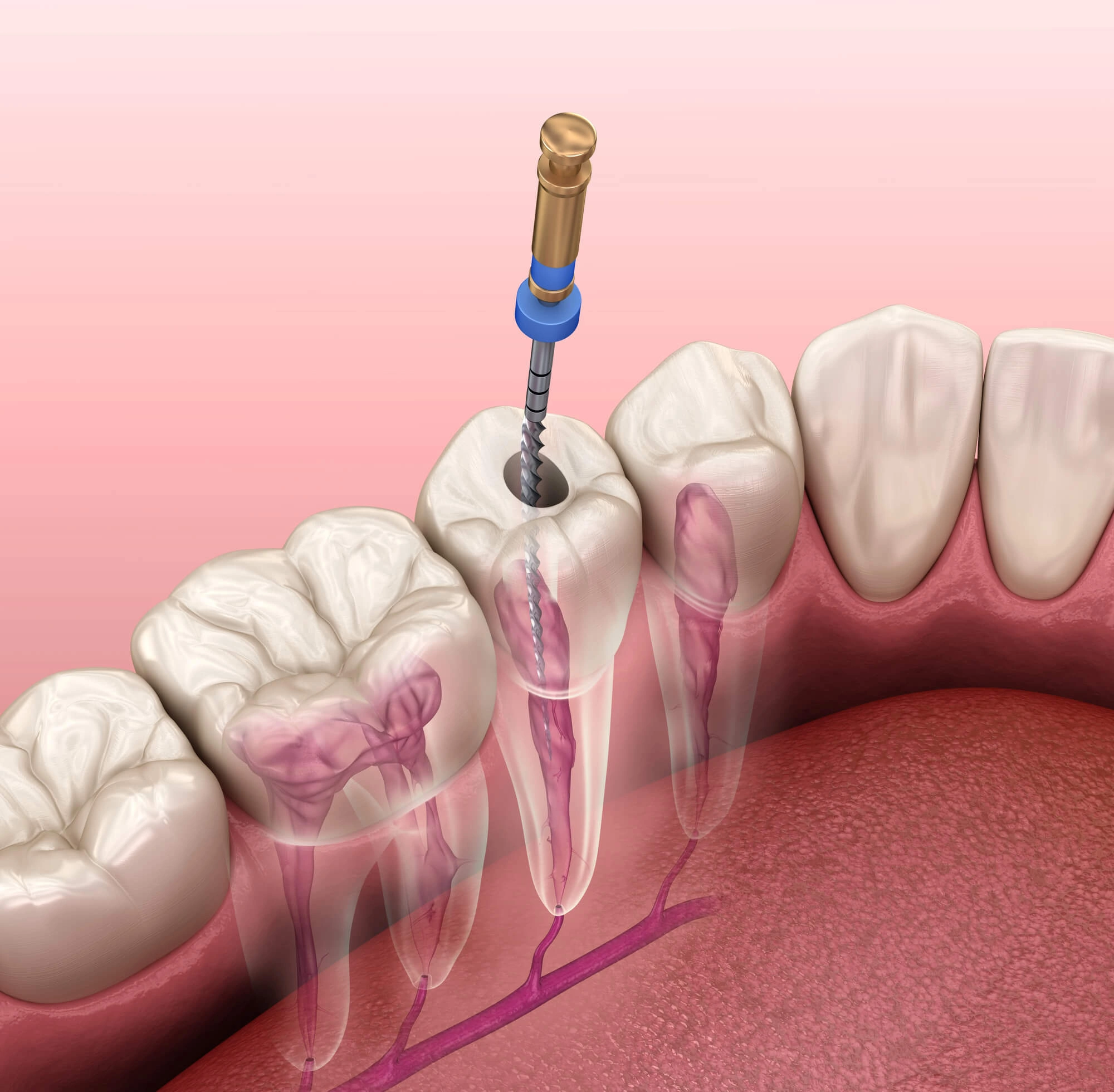
Retreatment usually starts with removing the old filling material from inside the tooth to access the canals again. The dentist then cleans out any infected tissue, addresses previously missed canals, and reshapes the space before refilling it.
Because the tooth has already been worked on once, this process can take a bit more time and precision than a first-time root canal. In some cases, a specialist called an endodontist may be recommended for particularly complex retreatments.

Schedule Your Appointment for Root Canal Retreatment in West Chester, PA
A second infection doesn't necessarily mean your tooth can't be saved, but it does mean prompt evaluation matters. Waiting too long can allow the infection to spread or make the tooth harder to restore.
Affordable Dental Solutions in West Chester, PA, offers experienced retreatment care to help you avoid extraction and keep your natural tooth functioning. Contact the office today to schedule an evaluation and find out if retreatment is right for you.

